
My City My Place
Imphal: The Jewel of Northeast India
As the first rays of the sun gently touch the green hills surrounding the beautiful city of Imphal, the valley slowly awakens to a peaceful and refreshing morning. A thin blanket of mist floats above the fields, birds fill the air with their melodies and the cool breeze carries the fragrance of nature. The city nestled gracefully within a wide valley and surrounded by lush hills, looks like a painting brought to life. Calm yet vibrant, simple yet rich in culture, Imphal holds a charm that immediately captures the hearts of those who visit.
Imphal is the capital city of the northeastern state of Manipur and serves as the cultural and economic heart of the region. The Northeast of India is often described as one of the most beautiful and diverse parts of the country and cities like Imphal reflect that uniqueness perfectly. Known for its natural landscapes, ancient traditions, colourful festivals and warm-hearted people, this region plays an important role in connecting India with Southeast Asia while preserving its rich heritage.
The history of Imphal stretches back many centuries. It was once the royal seat of the powerful Meitei kings who ruled the region with great pride and cultural influence. Over time, the city has witnessed important historical events that shaped not only the region but also the course of global history. One of the most notable events was the battle of Imphal during World War II, a major battle fought between Allied forces and Japanese troops. Today, war cemeteries and memorials in the city stand as silent reminders of the bravery and sacrifices made during those challenging times.
Nature is one of Imphal’s greatest treasures. Just a short distance away lies the breath-taking Loktak Lake, the largest freshwater lake in Northeast India and one of the most unique lakes in the world. What makes Loktak truly fascinating are the floating circular islands called “phumdis.” These floating masses of vegetation create an extraordinary landscape that appears almost magical when seen from a distance. Within this lake is the remarkable Keibul Lamjao National Park, the world’s only floating national park. It is also the natural home of the rare and graceful Sangai, a deer species found only in Manipur and deeply cherished by the local people.
Another fascinating landmark in Imphal is the famous Ima Keithel, widely known as the Mother’s Market. This historic marketplace is one of the largest markets in the world run entirely by women. Hundreds of women vendors sit proudly in rows selling vegetables, spices, fruits, handwoven textiles, handicrafts and traditional food items. The market is not only a place of trade but also a symbol of women’s empowerment and community strength. The dedication and resilience of these women reflect the spirit of Manipuri society.
Culture and traditions hold a special place in the lives of the people of Imphal. One of the most elegant cultural treasures of the region is Manipuri Dance, a classical dance known for its graceful movements, colourful costumes and deep spiritual expression. The dance often narrates stories from mythology and reflects the devotion and artistic excellence of the Manipuri people.
Festivals in Imphal bring the entire city together with joy and celebration. During Yaoshang, which is similar to the festival of Holi, the city becomes lively with music, dance, sports competitions and traditional performances. Another important festival is Lai Haraoba, which celebrates the traditional deities of Manipur through ritual dances and cultural ceremonies that have been passed down through generations.
Food is another delightful part of life in Imphal. The cuisine of Manipur is simple, healthy and deeply connected to nature. Rice is the staple food, often accompanied by a variety of fresh vegetables, herbs and fish dishes. Popular traditional dishes include Eromba, made with boiled vegetables, fermented fish and Singju, a refreshing salad prepared with local vegetables, herbs and aromatic flavours. The food here reflects the natural richness of the land and the simple lifestyle of the people.
But beyond its landscapes, history and culture, the true beauty of Imphal lies in its people. The residents of this city are known for their humility, kindness and strong sense of community. Visitors often notice the genuine smiles, respectful greetings and the willingness of locals to help and share stories about their homeland. Whether walking through a local market, visiting a temple or exploring the countryside, one always feels welcomed and respected.
In recent years, Imphal has also been steadily developing with improved infrastructure, better connectivity, educational institutions and growing tourism. While the city embraces progress, it continues to protect and celebrate its traditions and natural environment. This balance between modern development and cultural preservation makes Imphal truly unique.
Imphal is more than just a city, it is a place where history lives, culture thrives and nature flourishes. Surrounded by rolling hills, blessed with serene lakes, rich traditions and warm-hearted people, it represents the true spirit of Northeast India.
For anyone who experiences its beauty, Imphal becomes more than a destination on a map. It becomes a memory filled with peaceful landscapes, vibrant culture and heartfelt hospitality.
That is why for many who know it well, Imphal will always remain not just a city, but truly “My City, My Place.”
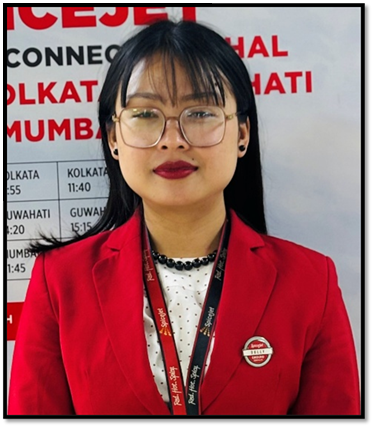
By: Ms. Dolly Takhellambam (Customer Service Executive – Imphal)