
Holi: The Festival of Colours, Unity and Joy
Holi, widely known as the Festival of Colours, is one of India’s most vibrant and joyful celebrations. Observed every year during the month of Phalguna (February–March), Holi marks the arrival of spring, the victory of good over evil and the renewal of relationships and life itself. It is a festival that dissolves differences, bringing people together in laughter, colour, music and shared happiness.
The history of Holi is deeply rooted in Indian traditions. One of the most popular legends associated with Holi is the story of Prahlad and Holika. Prahlad, a devoted follower of Lord Vishnu, survived the fire through divine protection, while Holika, who tried to harm him, was destroyed. This event symbolizes the triumph of faith, righteousness and truth over arrogance and evil. The ritual of Holika Dahan, performed on the eve of Holi, commemorates this victory.
Another beautiful association of Holi comes from Lord Krishna, who is believed to have playfully applied colours on Radha and the gopis in Vrindavan. This tradition reflects joy, love and playful bonding, giving Holi its colourful and joyous character.
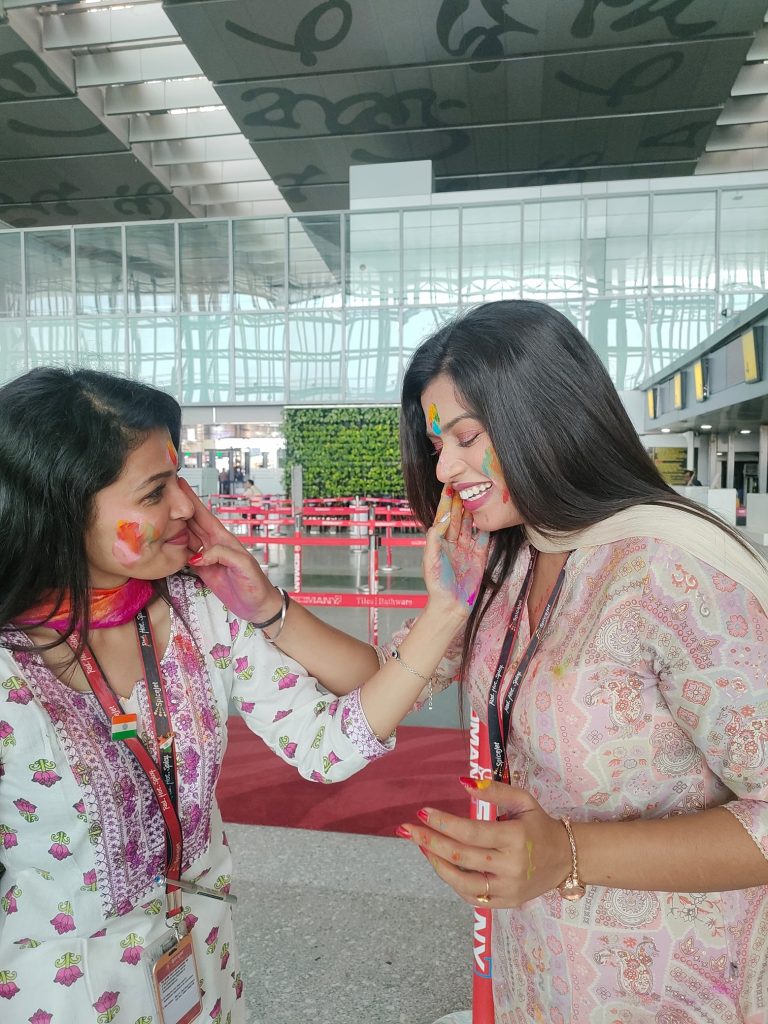
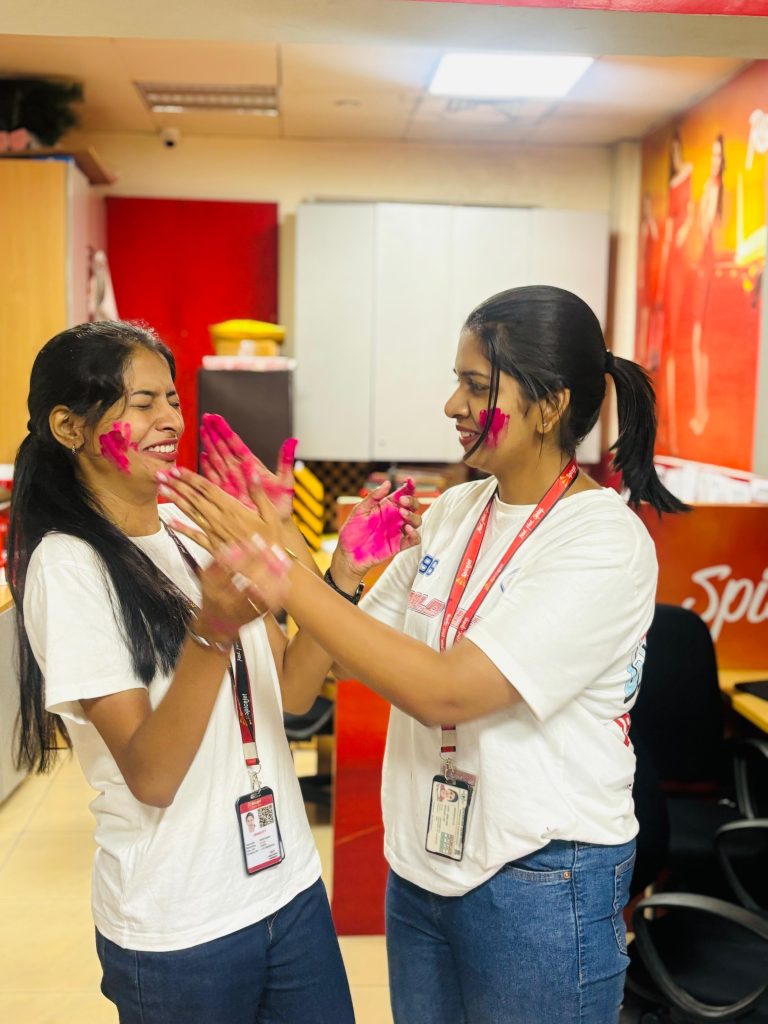
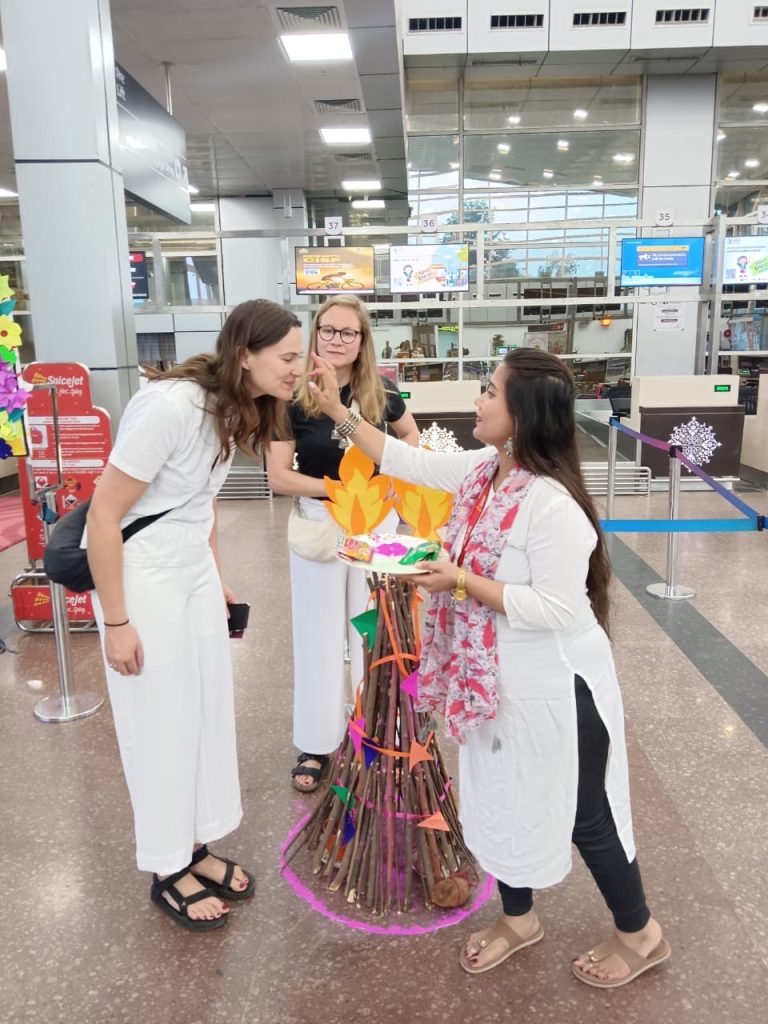
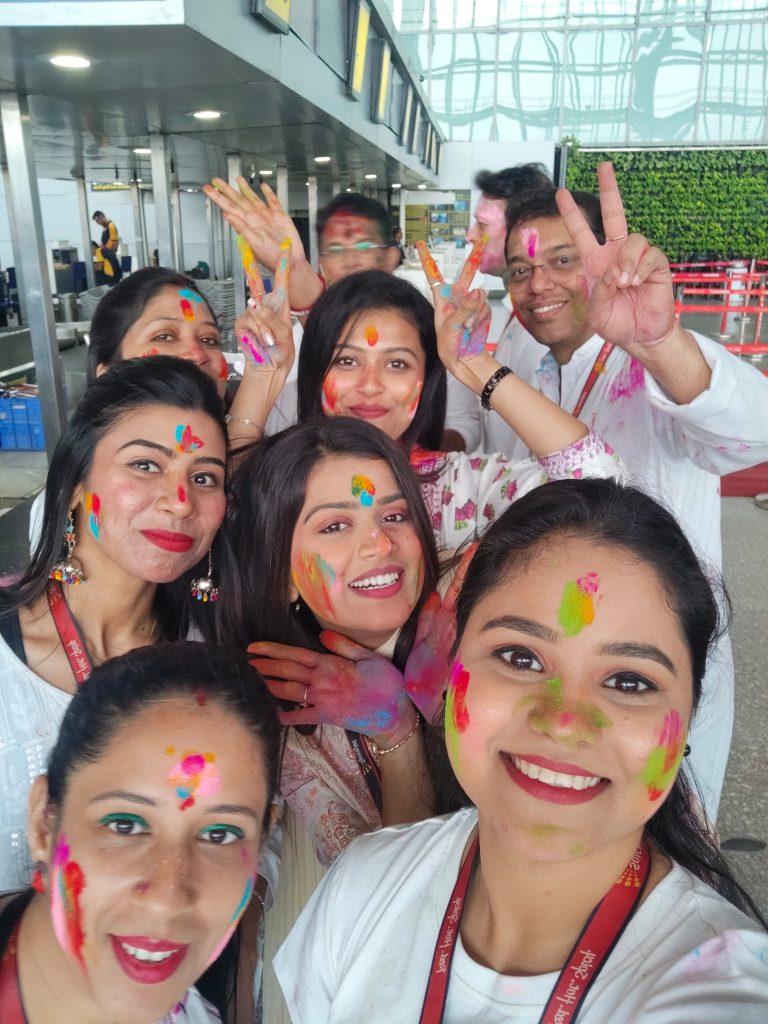
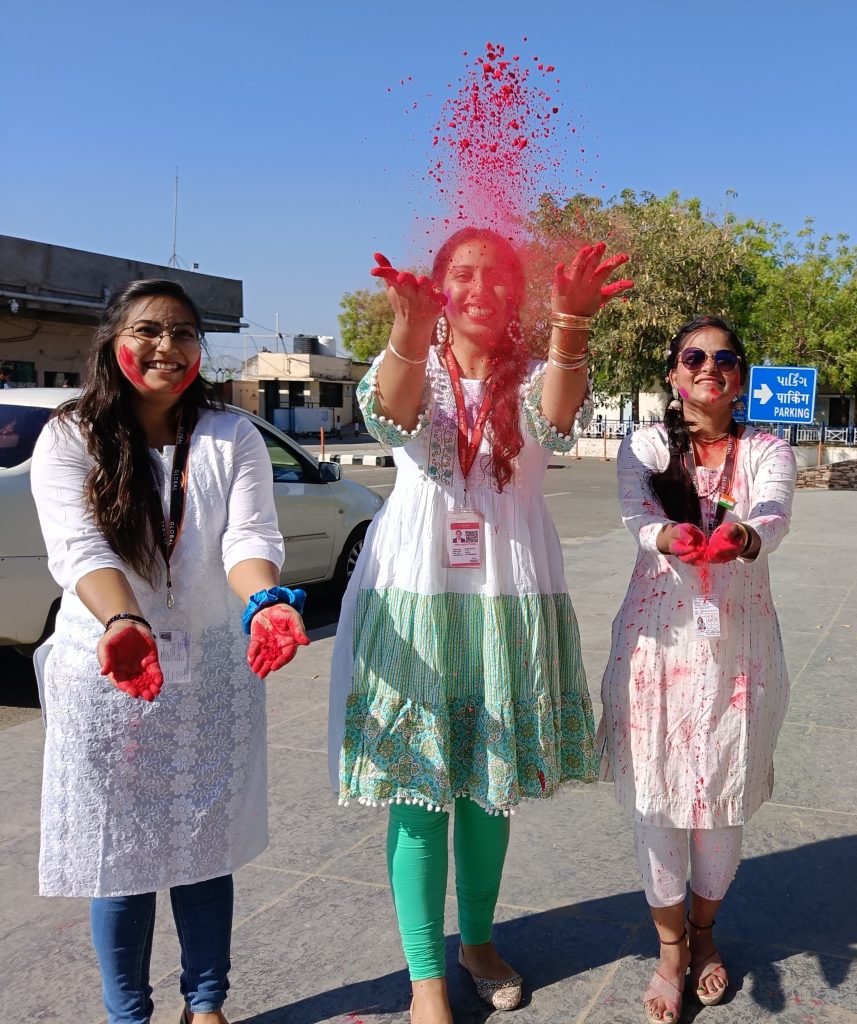
Holi celebrations span two days. The first day is marked by Holika Dahan, where people gather around a ceremonial bonfire to symbolize the burning away of negativity, ego and past grievances. The second day, known as Rangwali Holi, is filled with colour, music, dance and togetherness. People smear each other with colours (gulal), splash water, sing folk songs and exchange sweets such as gujiya, malpua and thandai.
Holi is also a time of forgiveness and renewal. Old misunderstandings are forgotten, relationships are mended and communities come together in harmony.
Though the spirit of Holi remains the same, its celebration varies beautifully across regions:
Uttar Pradesh (Mathura, Vrindavan, Barsana)
Holi here is deeply connected to the legends of Lord Krishna. The famous Lathmar Holi of Barsana sees women playfully chasing men with sticks, recreating traditional folklore. Celebrations last several days, filled with devotional songs, temple rituals and vibrant colours.
Punjab
In Punjab, Holi is celebrated as Hola Mohalla, a day marked by martial arts, mock battles, poetry and cultural performances organized by the Sikh community. It showcases bravery, discipline and community spirit.
Rajasthan
Holi in Rajasthan blends royal traditions with folk culture. Grand celebrations are held in places like Jaipur and Udaipur, featuring processions, elephant parades, traditional music and dance. Royal families also participate, adding a unique cultural charm.
West Bengal and Odisha
Known as Dol Jatra or Dol Purnima, Holi here has a devotional tone. Idols of Lord Krishna are placed on swings and carried in processions while devotees sing and apply colours in a gentle and graceful manner.
Maharashtra
Holi is celebrated with enthusiasm, marked by Shimga or Rang Panchami. Bonfires, folk dances and playful colour celebrations take place, especially in rural areas, blending tradition with joy.
Gujarat
Holi in Gujarat emphasizes cultural performances, devotional songs and community gatherings. The bonfire of Holika Dahan holds special importance, followed by joyful colour play the next day.
Southern India
Holi is celebrated in a relatively calmer manner in states like Tamil Nadu, Karnataka and Andhra Pradesh, often focusing more on spiritual significance, temple rituals and family gatherings.
Beyond colours and celebration, Holi carries a deeper message of unity, forgiveness and renewal. It reminds people to let go of anger, embrace diversity and celebrate life in all its colours. The festival reflects India’s cultural richness and the beautiful way traditions evolve across regions while preserving a shared spirit of joy.
Holi is not just a festival of colours, but a celebration of humanity, harmony and hope.
May this Holi fill lives with happiness, peace and vibrant beginnings!
By: Mr. Brij Mohan Gupta (Senior Manager – ATF/ Insurance/ Billing & Contacts)